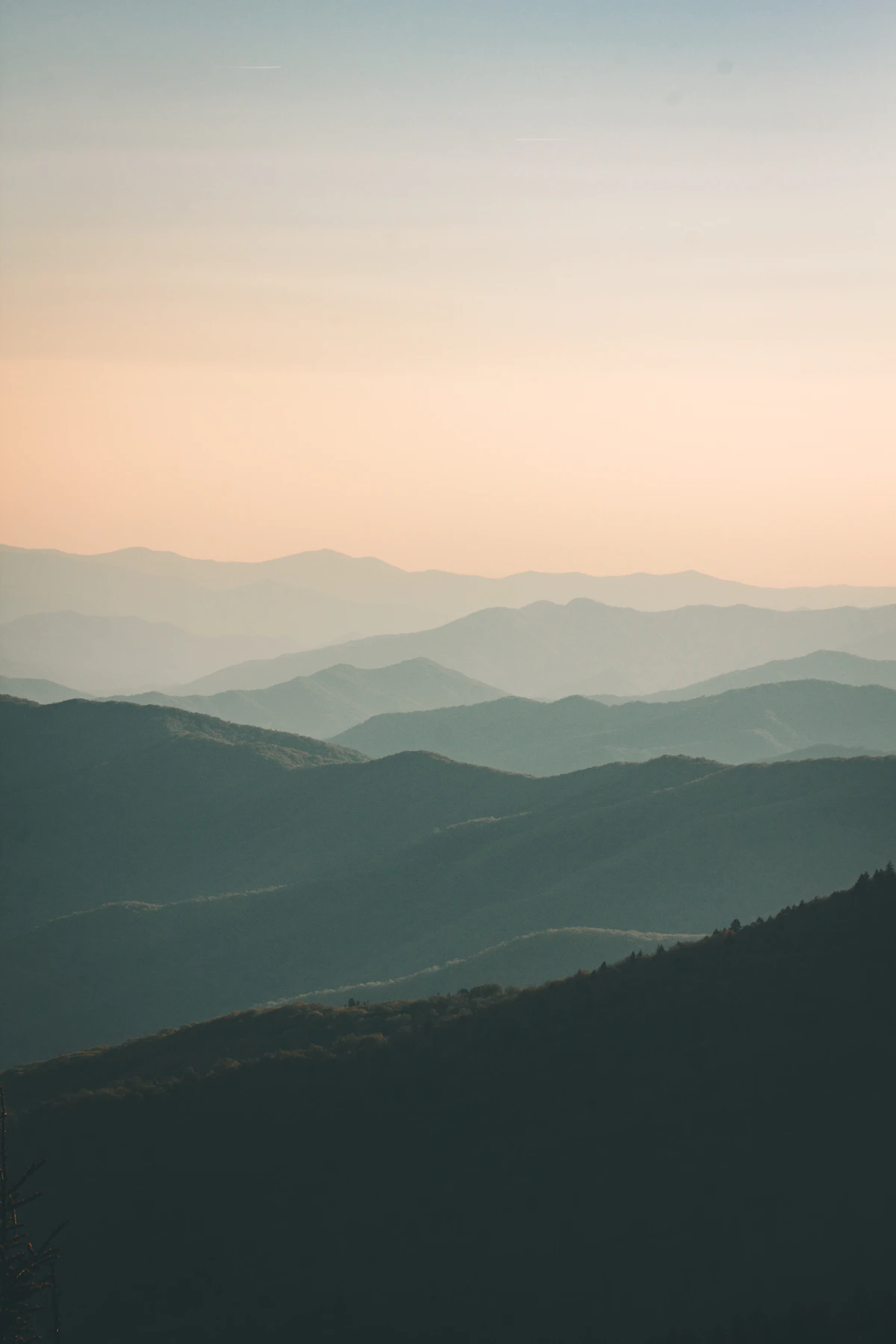
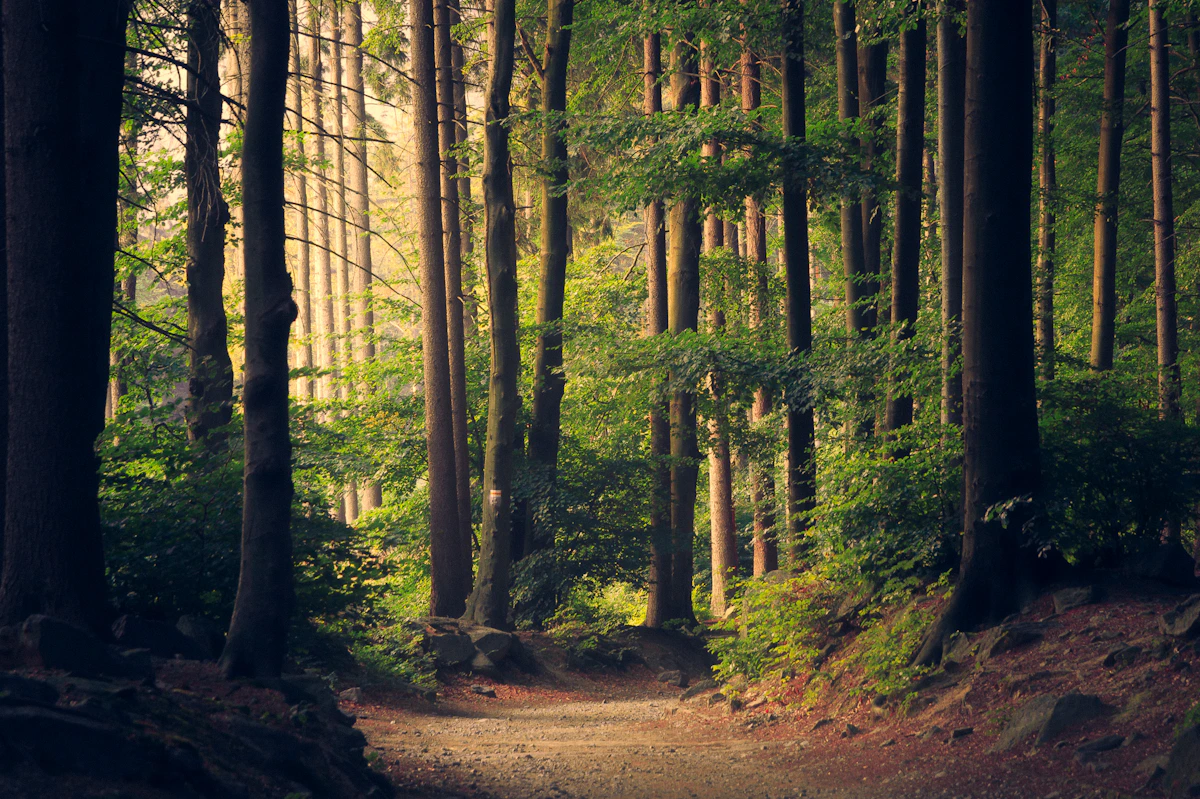
Yorkshire hot-tub lodges divide into three useful trip types: a Yorkshire Dales stay for valleys, villages and walking; a North York Moors base for forest, heather and market towns; or a Moors-edge lodge that also puts Whitby and the coast within reach. Choose the daytime landscape and exact bed plan first. Then compare whether the tub is wood fired, covered, included and genuinely attached to the unit you will book. Recheck every inclusion and the current exact-unit terms before paying.
The quick answer: Yorkshire is three lodge holidays, not one
Choose the Dales when river valleys, limestone scenery and a walking-led day matter most. Choose the Moors when woodland, heather, heritage railways and villages such as Thornton-le-Dale or Pickering fit the plan. Choose an Egton or Littlebeck base when you want to combine inland walks with Whitby or Robin Hood’s Bay. A general “Yorkshire lodge” search hides these journey differences.
After selecting the area, identify the exact lodge. Capacity alone is misleading: one six-person lodge uses a double, twin and sofa bed, another has three permanent bedrooms. One couples’ hut has a full oven and shower, another site may use shared facilities. Confirm the beds, bathroom, kitchen and dog terms before allowing the hot-tub photograph to decide.
Yorkshire Dales: for valley days and a stay-led evening
The Gamekeeper at Howgill Lodge sits near Barden and Appletreewick in Wharfedale. Its double, twin and sofa bed create a maximum of six, although the operator recommends no more than four adults across the lodge type. That distinction helps families and friends decide whether capacity equals comfort. The full kitchen, shower and log burner give the lodge a credible indoor plan.
Outside, a private wood-fired tub, fire pit, barbecue and pizza oven make the deck an active part of the stay. This is ideal when tending heat and cooking outside sound enjoyable. Ask about tub lighting, fuel, temperature instructions and fire restrictions. The Gamekeeper does not accept dogs, although other Howgill lodges do, so book by unit name rather than site reputation.
The Dales reward an itinerary with one valley or area per day. Roads between attractive places can be slower than the map suggests, and popular parking fills. Build a walk matched to the party and weather, then return to the lodge without adding a second distant attraction. If dining out matters, check the real route and opening times rather than assuming every rural pub serves every evening.
North York Moors: village convenience or woodland retreat
Thornton-le-Dale and Pickering
Rinstone Lodge is less than a minute’s stroll from Thornton-le-Dale according to its owner, creating a rare village-edge proposition. It sleeps four in a king and double, with full kitchen, wood burner, private parking and a garden tub. Two double-style rooms can suit two couples but are different from the king-and-twin arrangement many families expect.
Buzzard Lodge near Pickering takes a more woodland-estate approach. The king and twin bedrooms sleep four, while a boot room, full kitchen and downstairs family bathroom support muddy days. Its private tub and seating are covered, a useful benefit in persistent rain. Up to three dogs are listed, but the stair and downstairs-bathroom arrangement needs checking for the party.
A retreat deeper in the landscape
Annie at Cockerdale is one of two mirror-image couples’ lodges under a heritage barn near Oldstead. It has a king bed, shower room and real small kitchen with oven, hob and fridge. The spring-water tub is wood fired with estate wood. The private estate and walks from the door make the lodge itself more important than access to shops.
Choose between these formats honestly. A village lodge makes dinner and a morning stroll simpler. An estate retreat provides quiet and fewer reasons to drive once settled. A dog-friendly family cabin adds space and weather protection. None is universally best; the right one removes friction from the plan you already want.
Moors plus coast: use the lodge as a two-landscape base
Roe Deer Lodge at Alum House is an adults-only woodland cabin near Littlebeck. Its king bed, shower room, kitchenette and private wood-fired tub suit a couple or solo traveller. Whitby and Robin Hood’s Bay are within driving reach, but the lodge is not coast-front. Choose it for quiet woodland with optional coast days, not for a sea view.
Bracken Howe Lodge at Egton sleeps six in three bedrooms and is the Ladycross unit whose operator summary explicitly lists a hot tub. The plantation base can divide a longer stay between the Moors and Whitby. Public floor-plan detail is limited, so ask for the exact beds, kitchen, bathroom arrangement, exclusive-use tub confirmation and pet terms before paying.
Coast days need seasonal realism. Check beach access, parking and dog restrictions separately from the accommodation. Whitby traffic can change the day, so leave early or choose a shorter inland alternative. A hot tub is a pleasant return plan, not compensation for spending the afternoon in an avoidable queue.
Seven real Yorkshire stays to compare
These are independent desk-researched profiles, not personal reviews, rankings or guarantees of availability. The differences are the point.
- The Gamekeeper: a Dales family lodge with sofa-bed capacity and a private wood-fired tub.
- Rinstone Lodge: a two-bedroom village-edge stay with private garden tub.
- Annie at Cockerdale: a fully self-contained couples’ lodge and spring-water wood-fired tub.
- Roe Deer Lodge: an adults-only woodland cabin near Whitby with king bed and private tub.
- Buzzard Lodge: a dog-friendly family cabin with covered tub near Pickering.
- Bracken Howe Lodge: a three-bedroom plantation stay for mixed Moors-and-coast days.
- Sedgewell Barn Wigwam Cabins: en-suite electric-tub cabins near Northallerton, including family and dog categories.
Compare the accommodation before the bubbles
Beds and bathrooms
Separate permanent beds from sofa beds. Ask whether a six-person capacity is intended for four adults and children, and whether opening the sofa removes the main seating. Count bathrooms and note their floor. For two couples, two double rooms may work better than a double and twin; for children, the reverse may be true.
Kitchen and wet-weather space
A lodge should work during a wet afternoon. Check the oven, hob, fridge, dining seats, sofa and place for boots. A kitchenette may suit two nights and simple meals; a family week needs more. Bring the first dinner, especially for an estate or woodland address, and never make a fire pit the only cooking plan.
Hot-tub operation
Confirm exclusive use, price inclusion, heating type and who prepares it. Howgill, Cockerdale and Alum House identify wood-fired tubs; Buzzard’s tub is covered and maintained as a spa-style feature. Do not infer the mechanism elsewhere. Ask about arrival readiness, fuel, rules, children, quiet hours, towels and what surrounds the deck.
Dogs
Dog acceptance is unit-specific. Buzzard lists up to three; Gamekeeper accepts none; Howgill has other dog-friendly names. Ask about charges, livestock, outdoor boundaries, stairs and whether dogs may be left. A dog-friendly lodge is not necessarily enclosed or escape proof.
Privacy, access and the final mile
Private tub means exclusive use, not invisible neighbours. Ask about paths, other decks, parking and screening. A woodland site, campsite lodge and village garden each has different sightlines. Request a current wide photograph when privacy is decisive.
Check the final road, parking-to-door surface, steps and lighting. For access needs, request measurements and discuss the exact unit; a ground-floor room or covered porch does not prove suitability. Save owner directions and arrive in daylight where possible.
Compare the live total
Use the same dates and party, then add hot-tub or fuel extras, dog charges, security deposits, minimum nights and cancellation options. We do not publish fixed prices because they date quickly. A more expensive village lodge may save driving and restaurant logistics; a retreat may offer better value when the property itself is the itinerary.
Match the stay to the season
Winter makes the indoor layout and final road more important. Confirm heating, where wet coats dry, exterior lighting and how the tub is managed in cold weather. A covered tub such as Buzzard’s may reduce exposure, but the route back indoors still matters. Wood-fired systems can be atmospheric in cold weather while requiring more attention, so ask the host for the actual winter routine rather than relying on a summer description.
Spring and autumn can give quieter paths and changing woodland colour, alongside mud and shorter daylight. Bring footwear that can remain by the entrance and choose a lodge with a boot area when that matters. In summer, longer evenings support outdoor cooking, but campsite quiet hours, fire restrictions and popular parking can shape the plan. Recheck current rules just before travel.
Choose two nights or three with the route in mind
A two-night break works when the journey leaves a calm first evening and the lodge is close to the one thing you want to do. Make Friday simple: arrive with food, learn the tub instructions and settle in. Protect Saturday for one main outing and keep Sunday local. Rinstone’s village position or a stay-led lodge at Howgill can make that rhythm easier for different reasons.
Three nights are often better when combining the Moors and coast, travelling with children or dogs, or using a wood-fired tub you expect to heat more than once. The extra time should reduce pressure rather than add a continuous sightseeing list. Compare the live total and usable hours, not the average nightly rate alone.
Send one precise message before paying
When any important detail is unclear, write: “Can you confirm that Lodge X for our dates has this bed layout, a hot tub exclusive to our party, these dog terms and the outdoor position shown?” Add the accessibility, child or tub-preparation question that would change the decision. A clear written answer is more useful than assumptions assembled from photographs of several units.
Save that answer with the booking and reopen the arrival instructions before leaving. Check directions, parking, keys, food options and any new hot-tub or fire guidance. Responsible rural travel includes adapting to current weather and local restrictions; the lodge should support that flexibility.
Finally, check what the photographs actually show. A collection gallery may combine a view from one lodge, a bedroom from another and a tub on a third deck. Look for captions and unit names. If a particular panorama, canopy or garden is the reason for booking, ask the operator to confirm that it belongs to the accommodation available for your dates.
Yorkshire hot-tub lodge checklist
- Choose Dales, Moors or coast access. Start with the full day.
- Name the unit. Record exact lodge and provider page.
- Map beds and bathrooms. Separate permanent beds from sofa capacity.
- Test wet weather. Check kitchen, seating, drying and covered space.
- Confirm the tub. Exclusive use, heat source, preparation, privacy and rules.
- Check dogs and children. Unit terms, boundary, stairs and outdoor safety.
- Plan both drives. Home to lodge and lodge to the main activity.
- Compare full totals. Include fuel, pets, deposits and cancellation.
Frequently asked questions
Are the Yorkshire Dales or North York Moors better for a lodge?
Choose the Dales for valleys and a walking-led stay; the Moors for woodland, villages and easier coast combinations. Journey and exact lodge decide more than a universal ranking.
Are Yorkshire lodge hot tubs private?
The named sources identify private or lodge-specific tubs, but visual seclusion varies. Confirm the exact outdoor position.
Can I bring a dog?
Some units accept dogs and others do not, even on the same site. Check the named lodge, charges and outdoor boundary.
Are wood-fired tubs ready on arrival?
Not automatically. Ask who fills and lights the tub, what fuel is included and what the normal arrival routine is for your dates.