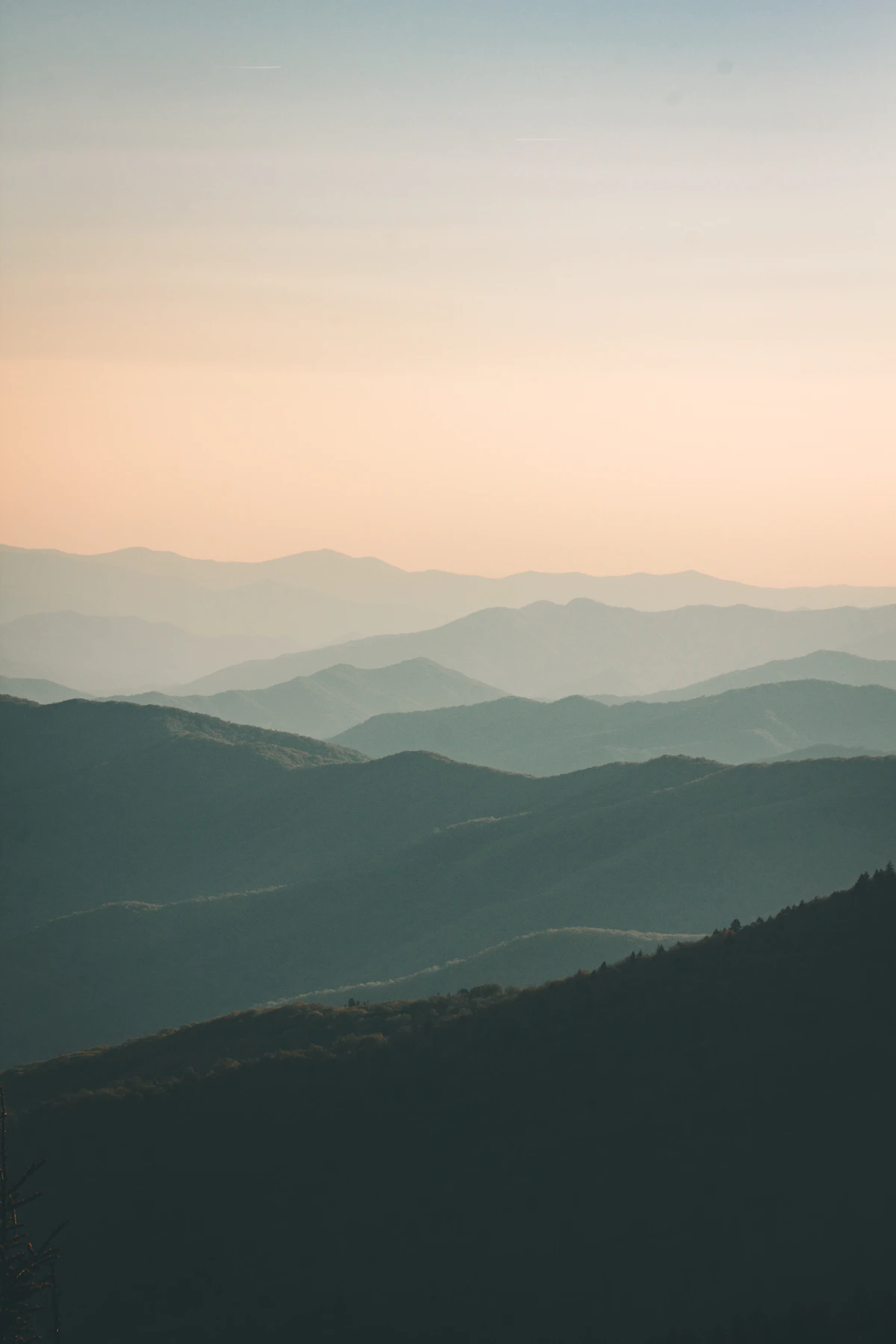
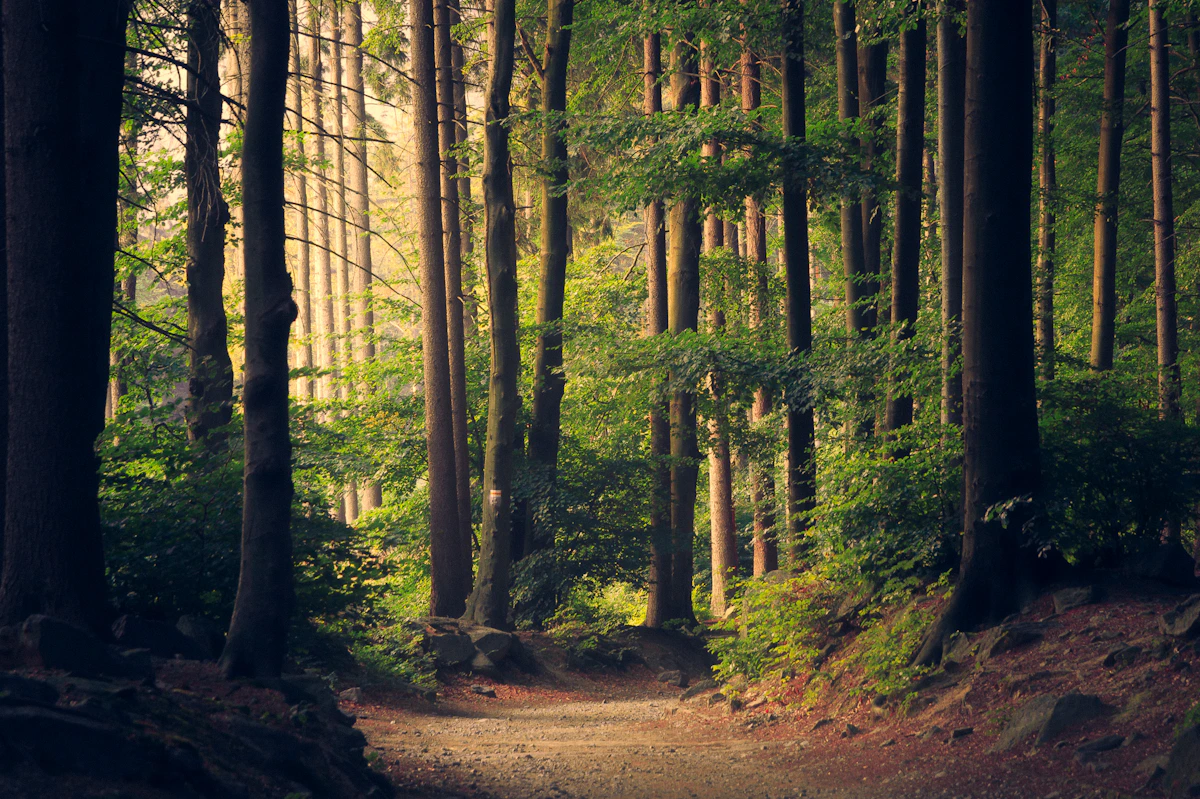
Choose the Yorkshire Dales for river valleys, limestone, field paths and a break that centres on one dale. Choose the North York Moors for heather, woodland, market towns, heritage railways and the option to add Whitby or Robin Hood’s Bay. Both have real hot-tub cabins. The better region is the one that fits your journey and full-day plan before the outdoor amenity is considered.
The short answer
Pick the Dales when the holiday image in your head is a valley walk, stone village, riverside stop and return to a deck under open skies. Pick the Moors when you want forest and moorland routes, a village such as Thornton-le-Dale, or two different landscapes by adding the coast. For a two-night break, the easier route from home can override both preferences; usable time is part of the destination.
Do not compare “the Dales” with “the Moors” in the abstract. Put two exact lodges on the map, then compare the drive and indoor layout. A sofa-bed lodge for six, a two-person shepherd lodge and a two-bedroom family cabin are not substitutes just because all have private tubs.
What kind of landscape day do you want?
The Yorkshire Dales
The Dales are a collection of valleys rather than one attraction. Wharfedale around Barden and Appletreewick offers river scenery, paths and villages, while other dales have their own road and walking patterns. A good short break stays focused. Choose a walk or cycle suited to the party, one food stop and enough time back at the lodge.
The Gamekeeper at Howgill Lodge makes the deck and Wharfedale view central. The wood-fired tub, log burner and outdoor cooking fit travellers who want the lodge evening to continue the countryside day. Its double, twin and sofa bed suit a family more naturally than six adults; the operator recommends no more than four adults.
The North York Moors
The Moors offer broad heather landscapes, wooded dales and towns or villages that can make a varied itinerary. Dalby Forest and the North York Moors Railway create alternatives to a long exposed walk. A base near Pickering or Thornton-le-Dale can also simplify food and make a short trip feel less remote.
Rinstone Lodge is the village choice, less than a minute’s stroll from Thornton-le-Dale according to the owner. Annie at Cockerdale is the retreat choice, a two-person lodge on a private estate with walks from the door. The regional label is the same; the evenings are completely different.
The coast from a Moors base
The eastern Moors make Whitby and Robin Hood’s Bay possible without booking a seafront property. Roe Deer Lodge near Littlebeck is an adults-only woodland cabin within driving reach, while Bracken Howe Lodge near Egton offers a three-bedroom base for six. Choose these for a mixed itinerary, not because they promise sea views.
Compare the journey, not just distance
Check the door-to-door route at the time you expect to travel. Add Friday traffic, stops, food shopping and the operator’s final directions. Dales and Moors roads can be slow for different reasons, and a postcode may not select the preferred approach. Save directions offline and arrive in daylight when possible.
Then map the lodge to the day’s anchor. In the Dales, crossing between valleys can consume time. In the Moors, adding the coast can turn a relaxed plan into repeated driving. Pick one main area per day. If the lodge is the main event, map only a short local walk and food option rather than inventing distant sightseeing to justify the trip.
For two nights, choose the region that protects Friday evening and Saturday. For three nights, you can accept a longer approach or combine moor and coast without forcing both into one day. Compare the live total with usable hours, not nightly price alone.
Which region fits the party?
Couples
The Moors shortlist contains two exact adults-focused woodland options. Annie has a king bed, shower and oven-and-hob kitchen beneath a heritage barn; Roe Deer Lodge has a king, shower and kitchenette on a five-acre adults-only site. Both use wood-fired tubs. Choose Cockerdale for a private-estate retreat or Littlebeck for easier coast combinations.
A couple can still choose a larger Dales lodge when the full kitchen, view and deck justify it. Do not pay for nominal capacity you do not use unless the additional indoor comfort is part of the value. Compare cancellation and minimum-stay terms for the same dates.
Families
Permanent beds and bathroom positions matter. Buzzard Lodge has a king and twin upstairs, with the family bathroom downstairs. Its covered tub, full kitchen and boot room help in bad weather. Rinstone has a king and double; Gamekeeper has a double, twin and sofa bed. Each “sleeps four” or “sleeps six” claim needs translating into your family.
For younger children, ask about cot space, stairs, deck boundaries and tub rules. For teenagers, Wi-Fi, separate beds and a usable living area may decide more than a dramatic view. Choose an itinerary with a rain alternative that the whole family accepts before booking.
Dogs
Buzzard lists up to three dogs; Gamekeeper accepts none; other Howgill units have different policies. Confirm the exact lodge, charges, boundaries and livestock context. A private estate may be ring fenced at its outer edge without giving the individual lodge a dog-proof garden. Ask the specific question your dog requires.
Six source-backed bases and what each solves
- The Gamekeeper: open Wharfedale view, family layout and wood-fired outdoor evening.
- Rinstone Lodge: village convenience, two double-style rooms and a private garden tub.
- Annie at Cockerdale: self-contained couples’ retreat with estate walks.
- Roe Deer Lodge: adults-only woodland and coast-driving flexibility.
- Buzzard Lodge: dog-friendly family base, full kitchen and covered tub.
- Bracken Howe Lodge: three-bedroom Moors-and-Whitby base whose floor plan needs direct confirmation.
These are desk-researched comparisons, not a ranking or personal endorsement. Open the profile and cited source, then ask the provider to confirm the unit available for your dates.
Compare hot-tub work and weather
Wood-fired tubs can make the heating ritual part of the break. They can also require fuel, time and attention. Ask who fills and lights the tub, what fuel is included and how reheating works. Never rely on a universal heating time. Gamekeeper, Annie and Roe Deer identify wood-fired systems; ask rather than infer at other properties.
A covered spa-style tub such as Buzzard’s can make rain less intrusive, but the outdoor route, wind and privacy still matter. Confirm exclusive use, screening, steps, lighting, towels, quiet hours and child rules for every system. Private access does not mean the deck cannot be seen from elsewhere.
Build the break around one full day
Dales example
Arrive with dinner and learn the wood-fired-tub routine. On the full day, take one Wharfedale walk suited to weather, stop in a village and return before dark. Keep the departure morning for a short riverside stretch or slow breakfast. This makes the lodge and landscape support each other.
Moors example
Use a Pickering or Thornton-le-Dale base for Dalby Forest, a heritage-railway plan or a moorland route, with a shorter village alternative. If staying near Egton or Littlebeck for three nights, assign one separate day to Whitby or the coast. Avoid crossing the region repeatedly.
In both regions, check official weather and travel information before the activity. Outdoor plans should match experience, daylight and current conditions. A hot tub is not recovery equipment and should never be used to rationalise an unsuitable route.
Wet-weather and ordinary comfort
Picture four hours indoors. Check heating, sofas, dining seats, kitchen, bathroom and wet-gear space. A log burner adds atmosphere only when the host permits its use and provides the confirmed fuel process. A full oven matters to a family meal; a kitchenette may be enough for a couple eating out. Bring the first dinner and do not rely on a barbecue.
Ask about Wi-Fi and mobile signal to the level the trip needs. Rural coverage can vary by network and cabin position. If someone must work or stream, get a direct answer; if disconnection is the goal, make sure emergency contact and arrival information remain accessible.
Book the exact experience
Save the property name, bed plan, source page and provider answer. Collection photographs can mix units. If a particular view, canopy, enclosed deck or pet allocation matters, ask whether it belongs to the lodge on your dates. Read deposits, damage pre-authorisations, minimum stays and cancellation terms before paying.
Reopen the arrival guidance before travel. Check keys, parking, fire rules, tub instructions and departure tasks. Leave margin for the first and last rural-road sections. A calm arrival and departure make more difference to a short cabin break than squeezing in one extra distant stop.
Season changes the better answer
In winter, daylight and road conditions can make a village-edge Moors base easier than a remote itinerary, but a Dales lodge with a strong indoor plan can also be the destination. Confirm heating, final access and the current tub process. Do not assume a wood-fired system or rural lane operates exactly as it did in a summer photograph.
Spring brings longer days and often muddy ground. A boot room, covered porch and short walk from the property gain value. Summer supports long Dales evenings and coast combinations, while popular roads and car parks require an earlier start. Autumn can bring quieter paths and woodland colour; maintain a lower-level or indoor backup for wind and heavy rain.
Can you plan a lower-car break?
Some Yorkshire bases make reducing driving more realistic, but this needs route-level research. Rinstone’s owner describes Thornton-le-Dale within a minute on foot, while Cockerdale promotes walks from its estate. That can remove an evening or morning car journey. It does not prove that public transport from home, the path surface or every local service suits the party.
If arriving by train or bus, ask the provider about the final connection, luggage, food shopping and taxi availability before paying. Check current public timetables directly. A car-free aspiration is valuable only when the whole arrival and departure works, especially on Sunday or outside summer.
Value is the trip you can actually use
Compare final prices for identical dates, party and cancellation flexibility, then add travel time and extras. A larger Dales lodge may be good value for a family but wasteful for a couple. An adults-only Moors cabin may cost more per person while providing the exact private retreat desired. A village base can save driving and make one evening meal easier.
Avoid treating an included tub as free. You pay through the total accommodation price and should still choose a lodge that works without it. Weather, maintenance or personal preference may reduce tub use. Bed, bathroom, kitchen and location remain valuable every hour of the stay.
Dales or Moors decision checklist
- Choose the full-day landscape. Valley and limestone, or moor, forest and possible coast.
- Test the real route. Home to lodge and lodge to the anchor activity.
- Match beds. Permanent rooms, sofa beds and bathroom floors.
- Choose the evening. Village access, estate retreat or family woodland site.
- Confirm the tub. Exclusive use, fuel, cover, preparation and privacy.
- Check dogs and children. Exact-unit rules, boundary and stairs.
- Create a rain plan. Indoor comfort plus one shorter activity.
- Compare live totals. Add pets, fuel, deposits and cancellation.
Frequently asked questions
Which is quieter, the Dales or North York Moors?
Both have quiet locations and busy hotspots. The exact lodge position, road and itinerary matter more than the regional name.
Which is better for the Yorkshire coast?
The eastern North York Moors are the practical choice for combining woodland or moor days with Whitby and Robin Hood’s Bay.
Which is better for walking from the lodge?
Both can work. Check the exact path network and route difficulty; Cockerdale advertises estate walks, while Howgill is positioned in Wharfedale.
Can I visit both regions in one weekend?
You can, but repeated driving may weaken a two-night stay. Choose one for a short break or add nights if both are essential.